 Ace Hybrid Tech | Hybrid battery replacement
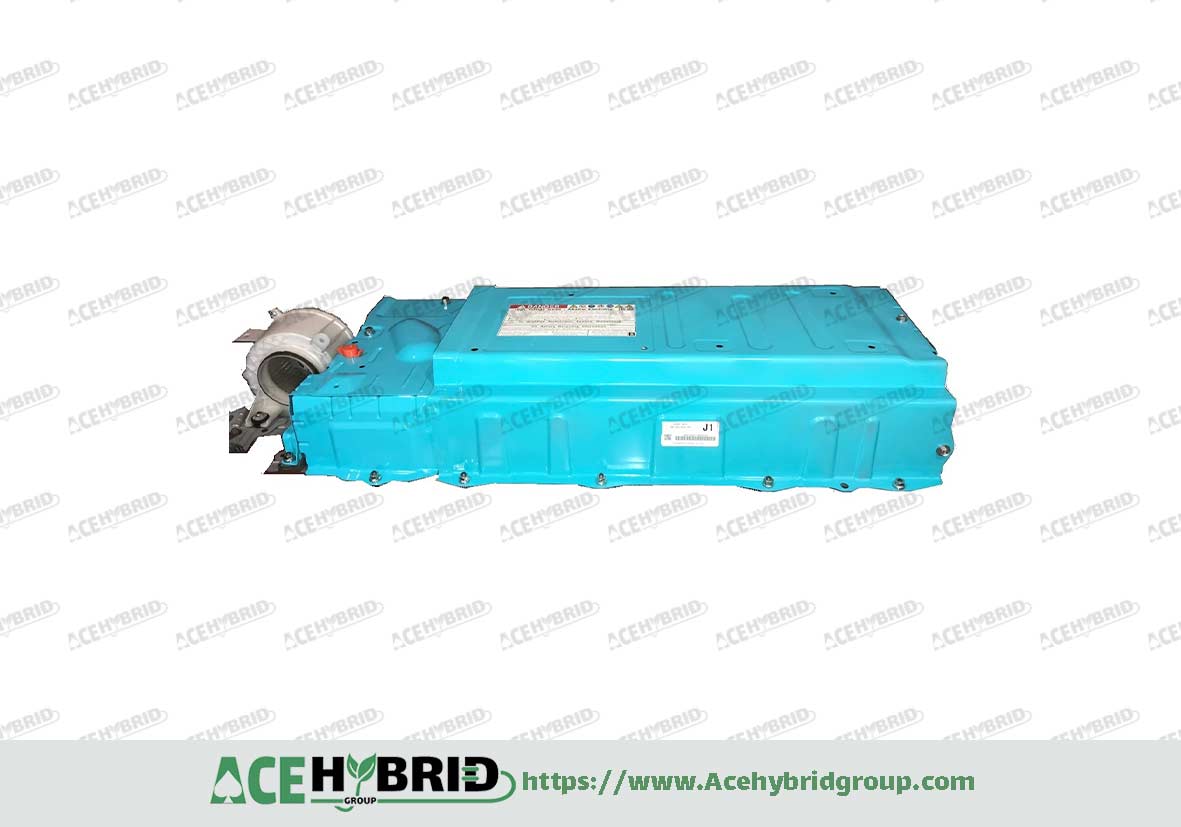
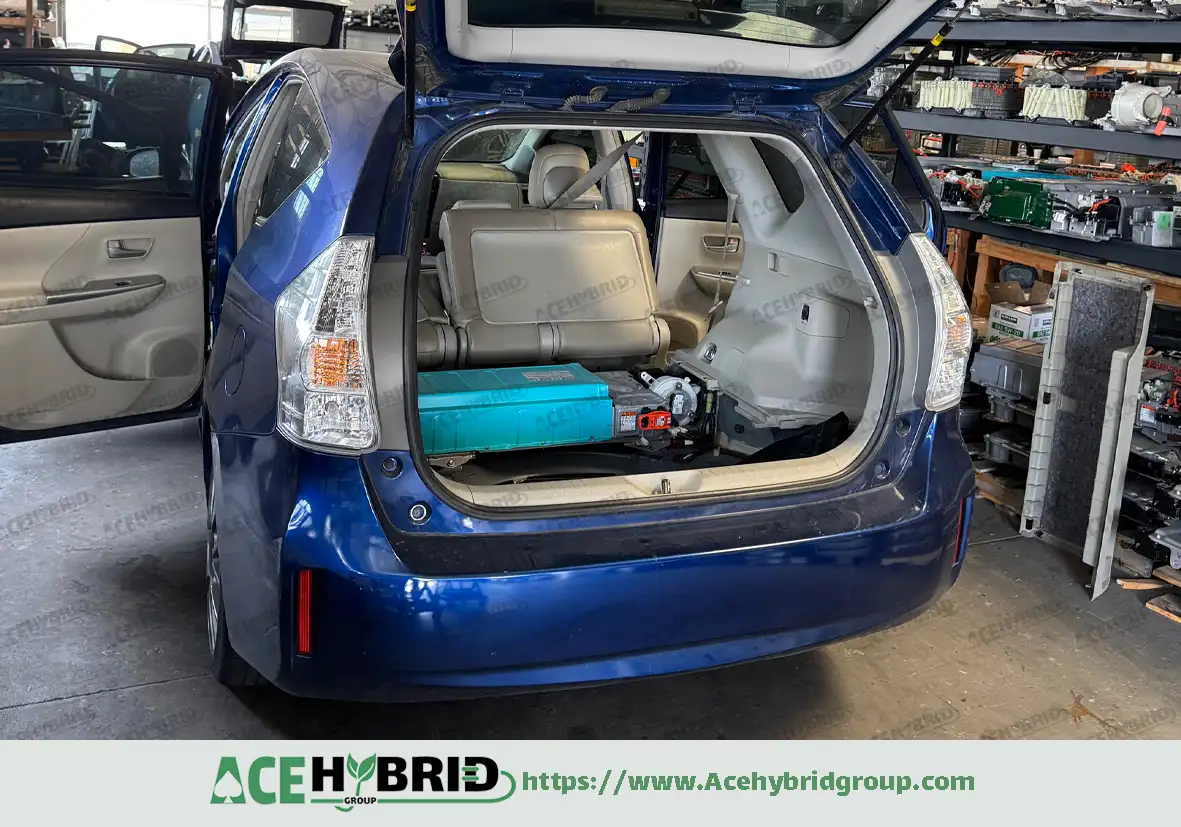
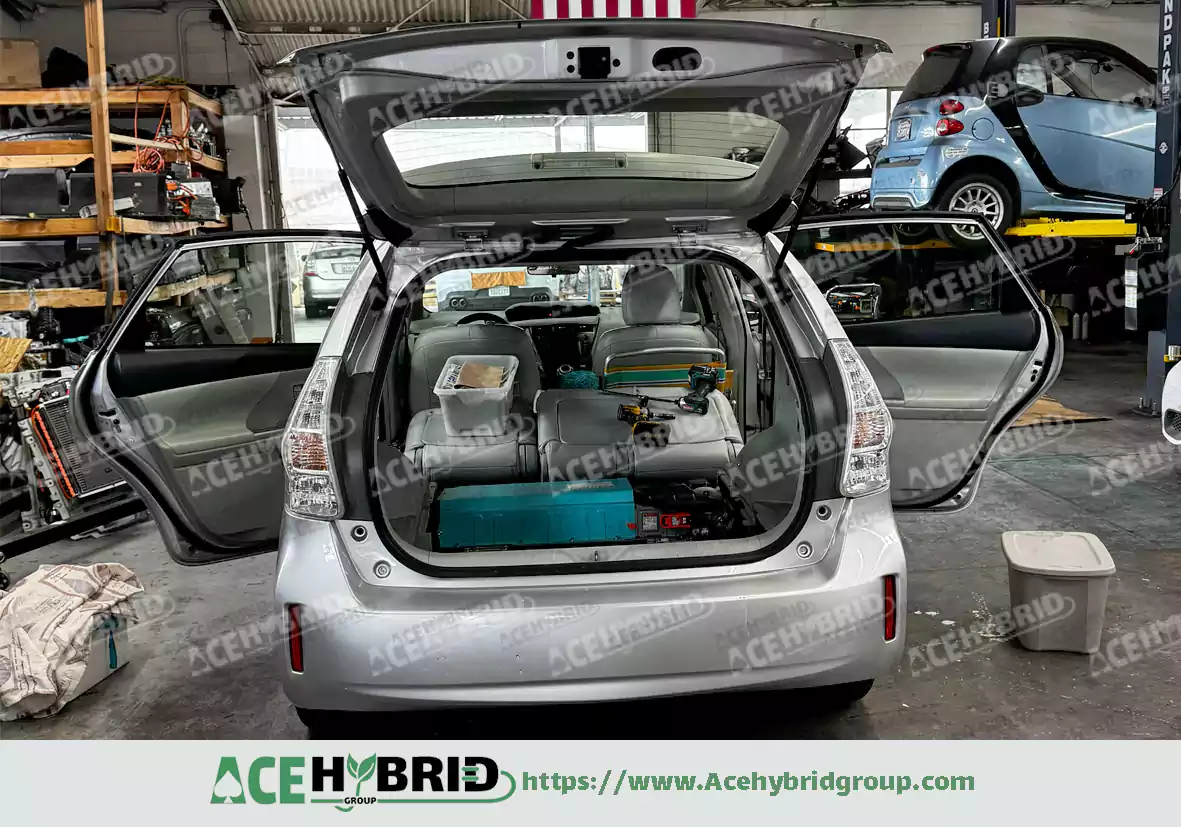
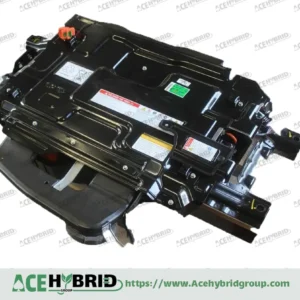
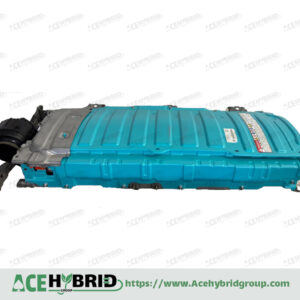
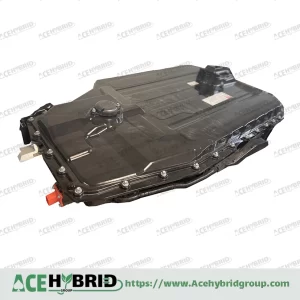
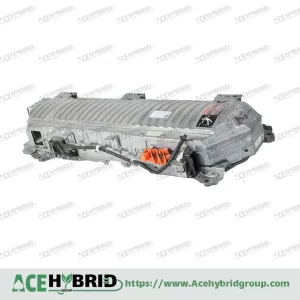
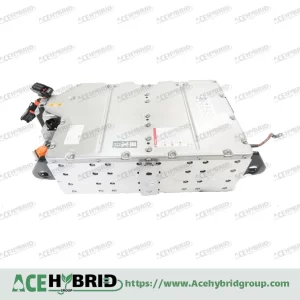
2012-2018 Toyota Prius V Genuine OEM Hybrid Battery Replacement
Owning a Prius V from the 2012-2018 run means you’ve got that spacious wagon hybrid that hauls carpool loads or weekend gear without guzzling gas—up to 44 MPG combined when it’s firing on all cylinders. But if you’re like the families and commuters I chat with in the shop, that magic starts fading around 120,000 miles or 8-10 years in. The hybrid battery pack, tucked under the cargo floor, begins to stutter: maybe the electric assist feels sluggish on hills, or you’re burning more fuel than expected on familiar routes. And those dashboard gremlins? A blinking check engine light with a P3000 code can turn a simple errand into a full-on worry.
I’ve been wrenching on these Gen 3 Prius V systems since they hit the roads, and the pattern’s clear—it’s not the end of the world, but ignoring it leads to limp mode or worse. The fix? A genuine OEM hybrid battery replacement like the one we’re talking about here, direct from Toyota specs with part numbers such as G9280-76011 or G9510-76010. No shortcuts, no mismatched cells that could trip the ECU. This pack slots in perfectly for every trim, from the base Five to the loaded Five with advanced audio, keeping your 2.4L four-cylinder and that 98-kW electric motor in sync.
What sets this apart from a quick patch? It’s engineered for the Prius V’s unique demands—more weight from the extended body means higher stress on the 201.6-volt NiMH stack of 28 modules. We’re not peddling hype; this is about getting you back to silent EV pulls at stoplights and regenerative braking that actually recharges without drama. I’ll break down the red flags unique to this wagon, when to pull the trigger on a swap, and why sticking with OEM keeps headaches at bay. By the time you finish reading, you’ll have the tools to decide if this is your next step—and how to take it smartly.
What Makes the Prius V’s Hybrid Battery Pack Stand Out in This Generation
The Prius V wasn’t just a stretched Prius; it was Toyota’s nod to families needing hybrid efficiency in a practical package. Launched in 2012, it bumped the battery to handle the extra 300 pounds over the standard hatch, with a beefier cooling system to manage heat during loaded hauls. That 244.8-volt system (wait, no—actually 201.6 volts nominal, but with the same 6.5 Ah cells) powers seamless shifts between gas and electric, especially useful for stop-and-go suburbia.
In practice, though, the rear-mounted location exposes it to cargo clutter and varying loads, accelerating wear on those prismatic cells. I’ve seen packs from Arizona drivers fade faster due to dust-clogged vents, while Seattle folks stretch theirs longer with milder temps. Either way, when capacity drops below 70%, you lose that wagon’s torque edge—think 0-60 in 10.4 seconds feeling more like 12. A genuine OEM replacement restores the full 28-module balance, calibrated for the Prius V’s ECU to avoid false positives on the hybrid control module.
Common Failure Symptoms for 2012-2018 Prius V Models
Spotting trouble early is half the battle with these wagons. Owners often roll in complaining about the hybrid system light flickering alongside a dip in highway MPG—from 40 down to 32, say—because the battery can’t sustain EV mode under light loads. That’s classic cell imbalance; one weak module drags the voltage below 7.2 volts, forcing the gas engine to compensate.
Then there are the codes: P3000 for general battery faults, or P0A94 for specific DC/DC converter glitches tied to low charge. Acceleration hesitation? Your electric motor’s output craters when the pack can’t deliver peak amps. And that telltale fan hum from the rear—louder and more frequent—means the ECU’s overworking to cool hot spots. Last month, a soccer mom brought in her 2014 V with exactly that: fan on blast at idle, barely 2 miles of pure EV range left. A scan confirmed it, and post-swap, she’s hauling kids again at 42 MPG without a hitch.
Early Warning Signs of Hybrid Battery Failure
Don’t wait for the tow truck—these subtle cues give you a fighting chance. First up, reduced MPG or fuel efficiency: If your tank’s emptying faster despite the same routes, the battery’s not pulling its weight, leaning harder on the Atkinson-cycle engine. Frequent engine operation is another flag—your Prius V should glide in EV mode up to 25 mph; if it’s revving unnecessarily, suspect fading capacity.
Unusual motor behavior shows as jerky transitions or delayed regen braking, like the system hesitating to recapture energy downhill. Fan noise ramps up too, that electric whine turning into a constant drone as the cooling kicks into overdrive. Dashboard warnings or error codes seal it—triangle of death icons or CEL with hybrids-specific DTCs. And slow acceleration? Hills that used to be effortless now demand full throttle. Track these with a cheap OBD-II reader; apps like Dr. Prius log state-of-charge trends over weeks.
For a deeper look at hybrid battery warning lights and diagnostics, it covers scanning those P3000 variants without fancy Toyota tools. Catching them at 80% health means a smoother fix than scrambling at 50%.
Realistic Replacement Considerations
Swapping isn’t always urgent, but for Prius V owners eyeing longevity, it’s a calculated call. OEM packs like ours deliver stable performance—matched cells ensure even discharge, preventing the early deaths common in refurbished units that use salvaged modules. Aftermarket? They might shave 30% off upfront but fail in 2-3 years, stressing the inverter and voiding any remaining powertrain coverage.
Professional installation is non-negotiable here—high-voltage lines at 650V demand bleed-down protocols and insulated gear to dodge shocks. DIY forums tempt with YouTube guides, but one slip-fried connector, and you’re in for costly repairs. Expect 10-15 years or 150,000-200,000 miles from a fresh OEM install, varying by your drives: urban stop-go shortens it, highway cruising extends. Components like the DC/DC converter may wear faster if the old pack was neglected, so bundle a full system check.
We get this question a lot: Can the vehicle still run with a failing battery? Yes, it’ll limp on gas alone, but efficiency tanks, and ignoring it risks stranding. Why OEM over refurbished? Genuine Toyota cells (Panasonic-sourced) hold calibration tighter, dodging ECU retrains. For more on OEM vs aftermarket hybrid batteries, it breaks down the risks with real failure stats.
OEM vs. Aftermarket Comparison
Aftermarket floods tempt with “reconditioned” labels, but peel back: inconsistent grading leads to voltage sag under the Prius V’s 1,760-pound curb weight demands. Our OEM? Factory-direct, 100% Toyota/Panasonic cells tested to 95%+ SOH, syncing flawlessly with the hybrid synergy drive. No adapter hacks or thermal mismatches that overheat on long family trips.
Owners switching report crisper response—no more “battery low” nags mid-merge. And cost? At $950 after core credit (refund your $500 old pack), it’s a fraction of the $3,500 dealer hit, with warranties scaling to 5 years/75,000 miles covering labor too.
Real-World Longevity Expectations
In the wild, a well-cared-for Prius V battery clocks 12 years easy, but pack it with beach gear in summer heat, and you’re at 8. I’ve tracked a 2013 model through three SoCal owners—first faded at 140k, but the OEM swap’s now at 80k miles strong, holding 48 MPG loaded. Key? Shade parking and occasional full charges. For lifespan deep-dives, Prius hybrid battery lifespan insights shares mileage logs from hundreds of swaps.
Installation and Safety Considerations
Popping the rear panels takes about 2 hours with basic tools, but HV safety trumps all—disconnect the 12V first, then bleed the orange cables. We charge $100 flat, including ECU reset and a drive-cycle test to clear codes. Mobile? Yep, for SoCal folks avoiding shop waits. Pro tip: Inspect the fan and vents while in; clogs amplify failures.
Warranty & Quality Details
Backed by Toyota’s blueprint, our packs come with tiered protection: 1-year/12,500 miles up to 5-year/75,000, all parts and labor—no deductibles. Core exchange simplifies: Ship your old one, get credited. Eco-bonus: We recycle responsibly, keeping NiMH out of landfills.
Why Owners Trust This OEM Battery
It’s the quiet confidence. A delivery driver with a 2016 V told me last week: “Finally, no more fan symphony on routes.” When dealer quotes scare you off, this OEM path delivers without the gamble—proven in fleets and daily drivers alike.
FAQ Section
Q: How do I know when my Prius V hybrid battery needs replacement? A: Watch for MPG drops below 35 combined, P3000 error codes, excessive rear fan noise, or sluggish electric assist. A capacity test via Techstream under 70% confirms it—don’t wait for full shutdown.
Q: Can the 2012-2018 Prius V still run with a failing hybrid battery? A: Sure, it defaults to gas-only mode, but expect 20-30% worse efficiency and potential limp mode. Early replacement prevents inverter damage and keeps your warranty intact.
Q: Why is professional installation necessary for a Prius V hybrid battery? A: High-voltage systems (up to 650V) require safe bleed-down and grounding to avoid shocks or shorts. Our $100 service includes diagnostics for foolproof results—DIY risks voiding coverage.
Q: How does OEM performance compare to refurbished Prius V hybrid battery units? A: OEM maintains exact voltage balance for seamless ECU integration and 10+ year life; refurbished often mismatches cells, leading to quicker fade and error codes. Go genuine for reliability.
Q: What warranty options come with this genuine OEM Prius V battery replacement? A: Choose from 1-year/12,500 miles to 5-year/75,000 miles, covering parts and labor fully. Core return nets $500 back, making it dealer-beating value.
Q: Will this OEM battery fit all 2012-2018 Prius V trims? A: Absolutely—direct match for Five, Five with nav, and all variants, using OEM parts like G9280-76011 for plug-and-play without mods.
- Full Battery Pack Replacement.
- Choice of Price and Warranty Options to Meet Your Needs.
- We Use Only Genuine O.E.M. Parts; No After-Market Parts.
- Parts and Labor are Covered Under Warranty, at No Cost to You.
- We Save Our Customers Thousands of Dollars over The Dealer!
Core Exchange: Core Exchange is required for these prices. If this is a battery exchange, with no installation on our part, or a shipping order, the customer will need to pay a Refundable Core Deposit of $500.00 which will be gladly Refunded when we receive the old hybrid battery back. Shipping: Shipping Is Available for This Product. We will Only Ship to Authorized Auto Repair Facilities. Sorry, No exceptions. A Business License, and Re-Seller’s Permit are Required for this purchase to be shipped. Please consult your Local Hybrid Repair Facility, or Auto Mechanic about providing Installation. The two-way shipping cost is approximately $300.00. The shipping amount, if any, will be added to your order at checkout. We will contact you if the shipping charge exceeds $300.00 for any reason. Sorry, No International Shipping.
Call us (714) 728-9393 for availability & our specials.



There are no reviews yet.