 Ace Hybrid Tech | Hybrid battery replacement
The Toyota Highlander Hybrid is known for its reliability, fuel efficiency, and long-lasting hybrid powertrain. However, like every hybrid vehicle, its battery pack will eventually experience wear and degradation over time. Understanding the early warning signs of hybrid battery failure can help drivers avoid unexpected breakdowns, expensive repairs, and reduced vehicle performance.
At ACE HYBRID TECH, we frequently help Highlander Hybrid owners diagnose battery-related issues before they become major problems. Identifying the symptoms early can often prevent further damage to other components of the hybrid system.
In this guide, we’ll explain the most common Toyota Highlander Hybrid battery warning signs, what causes them, and when it’s time to seek professional diagnosis or replacement.

Understanding the Toyota Highlander Hybrid Battery System
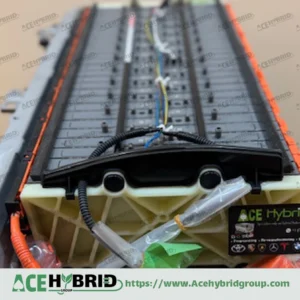
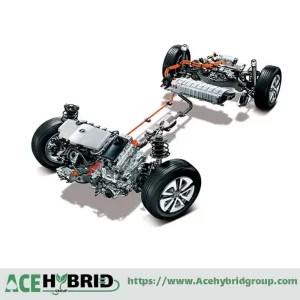
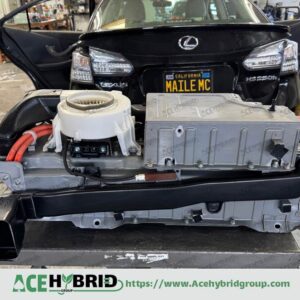
The Toyota Highlander Hybrid uses a high-voltage battery pack that works alongside the gasoline engine to improve fuel efficiency and performance.
Depending on the model year, the battery pack may contain:
- Nickel-Metal Hydride (NiMH) modules
- Advanced battery control electronics
- Battery cooling systems
- Battery Management System (BMS)
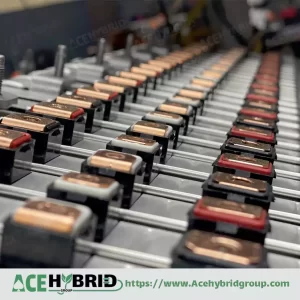
As the battery ages, individual modules can lose capacity, develop higher internal resistance, or become imbalanced, resulting in reduced performance and warning indicators.
Let’s Talk Hybrid Solutions!
Contact Ace Hybrid Tech for professional service and support.
- Decreased Fuel Economy
One of the earliest and most overlooked warning signs is a noticeable reduction in fuel efficiency.
When the hybrid battery can no longer store and deliver energy efficiently:
- The gasoline engine works harder
- Electric assist becomes less effective
- Fuel consumption increases
Many Highlander owners report a gradual drop in MPG months before any warning lights appear.
If your fuel economy has suddenly decreased without changes in driving habits, the battery should be inspected.
- Rapid State-of-Charge Fluctuations
The battery charge indicator should normally change gradually during operation.
Signs of trouble include:
- Battery gauge rapidly moving from full to empty
- Frequent charging and discharging cycles
- Unstable state-of-charge readings
These symptoms often indicate module imbalance or capacity loss within the battery pack.
At ACE HYBRID TECH, rapid charge fluctuations are one of the most common indicators of deteriorating battery modules.
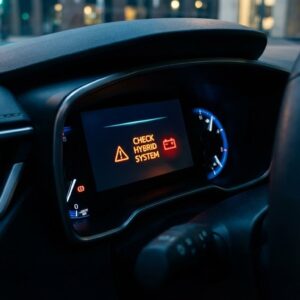
- Hybrid System Warning Light
The most obvious sign is the appearance of the:
- Check Hybrid System warning
- Master Warning Light
- Check Engine Light
The vehicle’s onboard diagnostic system continuously monitors battery performance.
When abnormalities are detected, trouble codes may be stored, including:
- P0A80 – Replace Hybrid Battery Pack
- P3011–P3028 – Weak Battery Module Detection
- P0A7F – Battery Capacity Deterioration
These codes require professional diagnostic equipment for accurate interpretation.
- Increased Engine Runtime
A healthy hybrid system allows the electric motor to assist frequently.
When the battery weakens:
- The gasoline engine stays on longer
- The engine starts more often
- Electric-only operation becomes limited
Many drivers notice that their Highlander feels less “hybrid” than before.
This symptom often appears during the early stages of battery degradation.
- Reduced Acceleration Performance
The battery provides supplemental power during acceleration.
A deteriorating battery may cause:
- Sluggish acceleration
- Delayed throttle response
- Reduced power when climbing hills
- Increased strain on the gasoline engine
If your Highlander feels less responsive than it used to, battery health should be evaluated.
- Cooling Fan Running Constantly
Hybrid batteries generate heat during charging and discharging.
The battery cooling fan helps regulate temperature.
Warning signs include:
- Loud cooling fan noise
- Fan running continuously
- Excessive heat around battery areas
A failing battery often produces more heat due to increased internal resistance.
Ignoring thermal issues can accelerate battery deterioration.
- Frequent Battery Error Codes
Many battery issues begin as intermittent faults.
Drivers may experience:
- Temporary warning lights
- Error messages that disappear
- Random system resets
These issues often indicate early-stage module imbalance.
Professional diagnostic testing can identify weak modules before complete battery failure occurs.
- Vehicle Enters Fail-Safe Mode
In severe cases, the Highlander Hybrid may enter protective operation mode.
Symptoms include:
- Reduced power output
- Limited acceleration
- Hybrid system shutdown
- Warning messages on the dashboard
Fail-safe mode is designed to protect the vehicle from further damage.
At this stage, immediate diagnosis is recommended.
- Battery Age and Mileage
Even if no obvious symptoms are present, age remains an important factor.
Most Highlander Hybrid batteries begin showing signs of wear after:
- 8–15 years
- 100,000–200,000+ miles
Actual lifespan depends on:
- Climate
- Driving habits
- Maintenance history
- Battery cooling efficiency
Older batteries should be periodically tested to identify degradation before failure occurs.
Common Causes of Highlander Hybrid Battery Failure
Several factors contribute to battery degradation:
- Heat Exposure
High temperatures accelerate chemical aging and reduce battery lifespan.
- Module Imbalance
Differences in module capacity create voltage instability.
- Cooling System Problems
Restricted airflow causes overheating.
- High Mileage
Repeated charging cycles gradually reduce battery capacity.
- Long Periods of Vehicle Storage
Extended inactivity can negatively affect battery health.
How Professional Diagnostics Can Prevent Major Failures
Many drivers wait until warning lights appear before seeking help.
However, advanced diagnostics can detect:
- Capacity loss
- Internal resistance increases
- Voltage imbalances
- Thermal abnormalities
Early detection often helps avoid secondary damage and unexpected vehicle downtime.
At ACE HYBRID TECH, comprehensive battery testing allows owners to understand battery condition before a complete failure occurs.
Why Choose a Remanufactured Hybrid Battery?
When replacement becomes necessary, many Highlander owners consider remanufactured battery solutions.
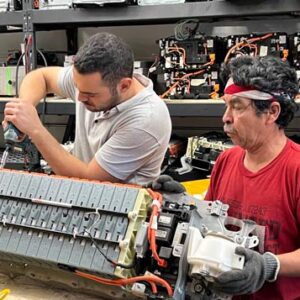
A professionally remanufactured battery can offer:
- Significant cost savings
- Thorough module testing
- Capacity matching
- Quality control procedures
- Reliable performance
The key difference lies in the quality of the remanufacturing process and testing standards used.
The Toyota Highlander Hybrid is one of the most dependable hybrid SUVs on the road, but battery degradation is an unavoidable part of long-term ownership.
Common warning signs include:
- Reduced fuel economy
- Rapid charge fluctuations
- Hybrid warning lights
- Increased engine operation
- Reduced acceleration
- Excessive cooling fan activity
- Diagnostic trouble codes
Recognizing these symptoms early can help prevent unexpected failures and costly repairs.
At ACE HYBRID TECH, we specialize in hybrid battery diagnostics, remanufacturing, and replacement solutions designed to restore performance and reliability for Toyota Highlander Hybrid owners.