 Ace Hybrid Tech | Hybrid battery replacement
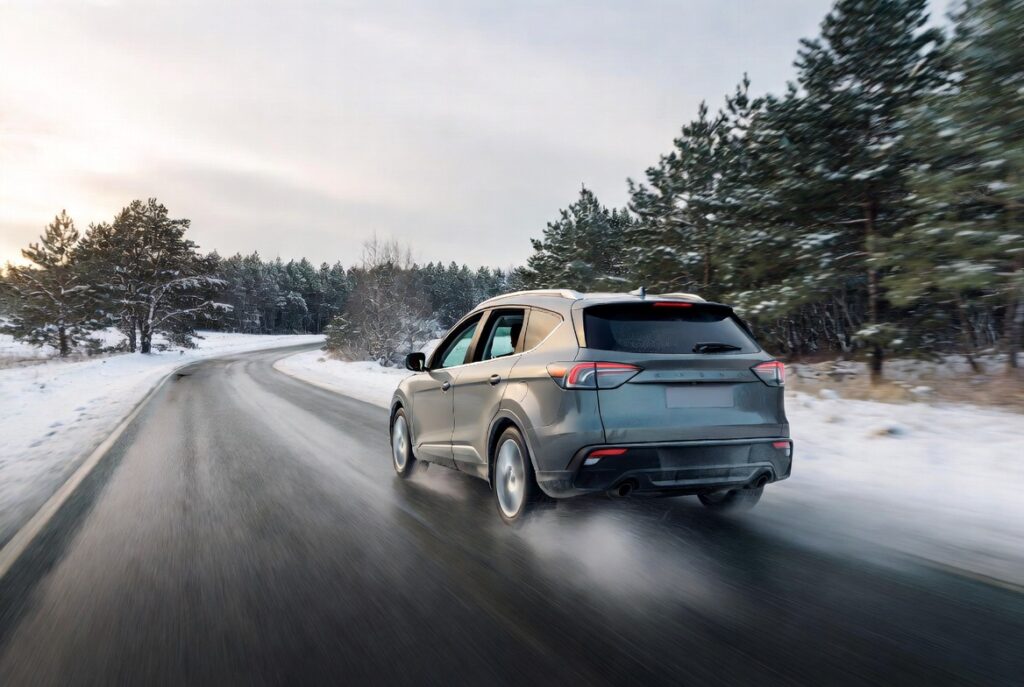
When winter temperatures drop below freezing, hybrid vehicles face challenges far more demanding than those addressed by a standard fall maintenance checklist. Extreme cold affects hybrid battery efficiency, engine behavior, traction, and overall drivability. Without proper winter preparation, hybrid owners may experience reduced fuel economy, warning lights, sluggish performance, or unexpected battery failure.
At Ace Hybrid Tech, we specialize exclusively in hybrid battery diagnostics, repair, and replacement. Every winter, we see a sharp increase in hybrid battery issues caused by cold-weather stress. This guide explains how to properly prepare your hybrid for extreme winter conditions—so you can protect your battery, maintain performance, and avoid costly repairs.
1. Protect Your Hybrid Battery in Extreme Cold
Cold weather slows the chemical reactions inside hybrid batteries, temporarily reducing capacity and power output. In freezing conditions, battery efficiency can drop by 20–30%, forcing the gasoline engine to work harder.
What we recommend at Ace Hybrid Tech:
- Schedule a pre-winter hybrid battery health check
- Avoid letting the battery sit fully charged or fully depleted
- Drive your hybrid regularly to keep battery cells balanced
- For plug-in hybrids, precondition the vehicle while plugged in
Early diagnostics can reveal weak modules before winter exposes them.
2. Tires & Traction Are Critical for Hybrid Safety
Cold air lowers tire pressure and reduces grip. Since hybrids rely heavily on regenerative braking, traction loss can impact both safety and energy recovery.
Winter tire tips:
- Use winter-rated or all-season tires suitable for cold climates
- Check tire pressure weekly
- Keep tires evenly worn to protect regenerative braking performance
Ignoring tire maintenance can reduce MPG and compromise stability.
3. Fluids & Engine System Preparation
Although hybrids use electric power, the engine runs more often in winter to generate heat. Thickened fluids and low fuel levels increase strain.
Essential winter checks:
- Use manufacturer-approved synthetic engine oil
- Ensure coolant levels are correct
- Keep the fuel tank at least half full
- Test the 12V auxiliary battery (a common winter failure point)
Many winter “hybrid battery” issues actually start with a weak 12V system.
Let’s Talk Hybrid Solutions!
Contact Ace Hybrid Tech for professional service and support.
4. Smart Cabin Heating for Better Efficiency
Hybrid engines generate less waste heat, which means cabin heating can reduce efficiency.
Best practices:
- Use seat heaters instead of max cabin heat
- Precondition the cabin before driving
- Avoid excessive idling
- Keep defrost usage targeted and brief
Efficient heating reduces strain on both battery and engine systems.
5. Adjust Driving Habits for Winter Conditions
Cold weather requires smoother, more deliberate driving to protect your hybrid system.
Winter driving tips:
- Use ECO mode when available
- Reduce aggressive acceleration
- Ease off regenerative braking on icy roads
- Avoid short trips only—longer drives help stabilize battery temperature
These habits improve range, safety, and battery longevity.
Why Winter Preparation Matters
Hybrid battery failures spike during winter—not because cold destroys batteries instantly, but because existing weaknesses become exposed. Proactive winter preparation can add years to your battery’s lifespan.
At Ace Hybrid Tech, we offer:
- Hybrid battery diagnostics
- Cooling system inspection
- Battery reconditioning
- Hybrid battery replacement with warranty
- Model-specific winter prep recommendations
Winter hybrid preparation goes far beyond fall maintenance. By protecting your battery, maintaining traction, optimizing heating, and adjusting driving habits, you can keep your hybrid reliable even in extreme cold. If your hybrid shows warning signs this winter, Ace Hybrid Tech is here to help.
Let’s Talk Hybrid Solutions!
Contact Ace Hybrid Tech for professional service and support.