 Ace Hybrid Tech | Hybrid battery replacement
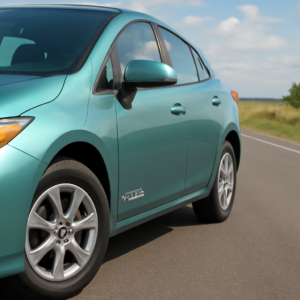
The Toyota Prius is one of the most successful hybrid vehicles ever produced. Known for its exceptional fuel economy, reliability, and environmentally friendly design, the Prius became a global symbol of efficient driving.
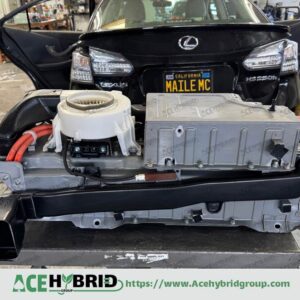
At the center of this advanced hybrid system is the high-voltage hybrid battery, the component responsible for powering the electric motor and working alongside the gasoline engine. Over time, however, every hybrid battery naturally experiences wear and performance decline.
If you own a 2010–2015 Toyota Prius, understanding how the hybrid battery works, when it may need service, and what your replacement options are can help you maintain your vehicle’s performance and avoid unexpected breakdowns.
At Ace Hybrid Tech, we specialize in hybrid battery diagnostics, repair, and replacement solutions designed to restore your Prius to optimal efficiency.

Understanding the Hybrid Battery in the 2010–2015 Toyota Prius
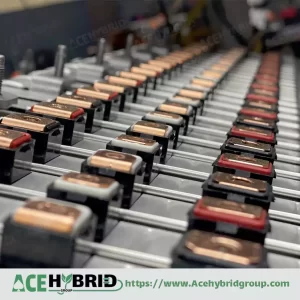
The third-generation Prius uses a Nickel-Metal Hydride (NiMH) hybrid battery pack, a durable battery chemistry designed to handle thousands of charge and discharge cycles.
This battery works with the electric motor and regenerative braking system to:
- Improve fuel efficiency
- Assist during acceleration
- Store energy from braking
- Reduce emissions and fuel consumption
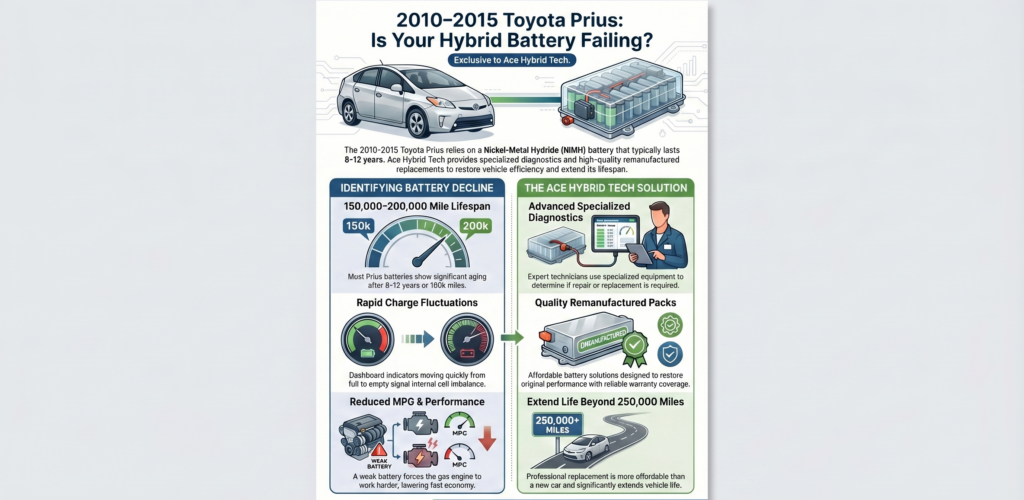
While these batteries are designed to last many years, they are not permanent. Most hybrid batteries begin to show signs of aging after 8–12 years or around 150,000–200,000 miles depending on driving conditions and climate.
Signs Your Prius Hybrid Battery May Be Failing
Hybrid battery issues usually develop gradually rather than suddenly. Recognizing the early warning signs can help you address the problem before it leads to more serious performance issues.
Common symptoms include:
Reduced Fuel Economy
If your Prius used to deliver excellent MPG but suddenly starts consuming more fuel, the hybrid battery may be losing efficiency.
Rapid Battery Charge Fluctuation
If the dashboard battery indicator moves quickly from full to empty, it often signals cell imbalance within the battery pack.
Increased Engine Usage
A weak hybrid battery forces the gasoline engine to work harder, resulting in more engine noise and lower efficiency.
Warning Lights on the Dashboard
Messages like “Check Hybrid System” or the check engine light can indicate hybrid battery problems.
Reduced Acceleration
Drivers often notice that their Prius feels slower or less responsive when the hybrid battery begins to degrade.
If you notice any of these symptoms, professional diagnostics can determine whether repair or replacement is the best option.
Let’s Talk Hybrid Solutions!
Contact Ace Hybrid Tech for professional service and support.
Why Hybrid Batteries Fail Over Time
Hybrid batteries experience natural wear due to multiple factors:
- Battery aging – Internal chemical reactions slowly reduce capacity over time.
- Heat exposure – Hot climates accelerate battery degradation.
- High mileage – Frequent charge cycles eventually wear down battery modules.
- Cooling system issues – Blocked battery cooling fans can lead to overheating.
- Cell imbalance – Individual battery modules degrade at different rates.
Because hybrid battery packs contain multiple modules, failure often begins with only a few weak cells rather than the entire battery.
Hybrid Battery Replacement for the 2010–2015 Prius
When a Prius hybrid battery reaches the end of its useful life, replacement is the most reliable long-term solution.
At Ace Hybrid Tech, our replacement batteries for the 2010–2015 Toyota Prius are designed to restore original performance while providing reliable long-term operation.
Our hybrid battery solutions include:
- Thorough battery testing and diagnostics
- High-quality remanufactured battery packs
- Professional installation by hybrid specialists
- Warranty options for peace of mind
Choosing the right hybrid battery provider ensures that your vehicle remains efficient, safe, and reliable for years to come.
Benefits of Replacing Your Prius Hybrid Battery
Replacing your hybrid battery provides several important advantages:
Restored Fuel Efficiency
A new or remanufactured battery allows your Prius to operate efficiently again, helping you achieve the fuel economy the vehicle is known for.
Improved Performance
Acceleration becomes smoother and more responsive once the battery delivers proper power.
Increased Reliability
A healthy battery reduces the risk of unexpected breakdowns or hybrid system errors.
Extended Vehicle Life
Many Prius owners drive their vehicles well beyond 250,000 miles after replacing the hybrid battery.
For many drivers, replacing the battery is significantly more affordable than purchasing a new vehicle.
Why Choose Ace Hybrid Tech for Prius Hybrid Batteries
Hybrid battery systems require specialized knowledge, equipment, and safety procedures. At Ace Hybrid Tech, our technicians focus exclusively on hybrid battery services.
Customers choose us because we provide:
- Advanced hybrid battery diagnostics
- Affordable replacement options
- High-quality remanufactured batteries
- Expert installation and testing
- Reliable warranty coverage
Our goal is simple:
help Prius owners extend the life of their vehicles while saving money on unnecessary repairs.
Maintenance Tips to Extend Prius Hybrid Battery Life
While all batteries eventually wear out, proper care can help maximize battery lifespan.
Helpful tips include:
- Drive the vehicle regularly to maintain balanced battery cycles
- Keep the hybrid battery cooling vent clean
- Avoid prolonged exposure to extreme heat
- Address warning lights immediately
- Schedule periodic hybrid battery health checks
Simple maintenance steps can help delay battery degradation and improve overall reliability.
Frequently Asked Questions About the 2010–2015 Prius Hybrid Battery
Below are some of the most common questions hybrid owners search online. This section helps drivers quickly understand their options and builds trust when considering a battery replacement.
How long does a 2010–2015 Toyota Prius hybrid battery last?
Most hybrid batteries in the 2010–2015 Prius last 8–12 years or between 150,000 and 200,000 miles depending on driving conditions and maintenance.
Some vehicles exceed this range, especially when the cooling system is properly maintained.
Can I drive with a failing Prius hybrid battery?
Yes, but it is not recommended for long periods. A failing battery can cause:
- reduced performance
- increased fuel consumption
- potential hybrid system shutdown
Early diagnosis can prevent more expensive problems.
How much does a Prius hybrid battery replacement cost?
The cost varies depending on battery type and warranty options. Remanufactured batteries are usually much more affordable than new OEM batteries while still delivering reliable performance.
Contact Ace Hybrid Tech for current pricing and options.
Can a Prius hybrid battery be repaired instead of replaced?
In some cases, minor issues such as module imbalance or cooling system problems can be repaired. However, if multiple modules are failing, full battery replacement is often the most reliable long-term solution.
Is replacing the hybrid battery worth it?
For many Prius owners, replacing the battery is absolutely worth it. The vehicle is known for long lifespan and reliability, and a new battery can extend its life for many additional years.
The 2010–2015 Toyota Prius remains one of the most reliable and efficient hybrid vehicles ever built. However, like all hybrid vehicles, its battery will eventually require service or replacement.
Understanding the signs of battery wear, the causes of failure, and your replacement options allows you to make informed decisions that protect your vehicle and your budget.
If your Prius is showing signs of hybrid battery problems, the specialists at Ace Hybrid Tech are here to help.
With expert diagnostics, high-quality replacement batteries, and professional installation, we help Prius owners get back on the road with confidence.
Let’s Talk Hybrid Solutions!
Contact Ace Hybrid Tech for professional service and support.